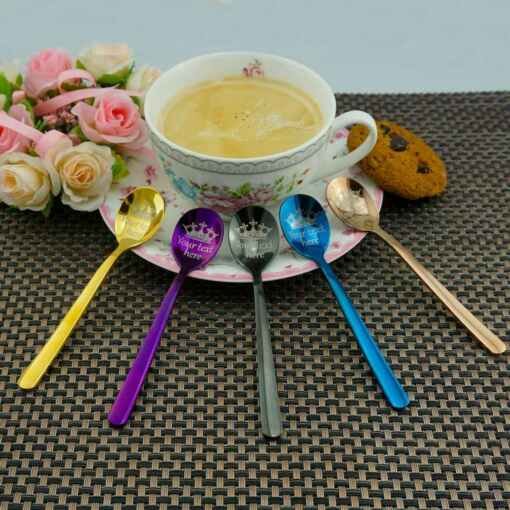
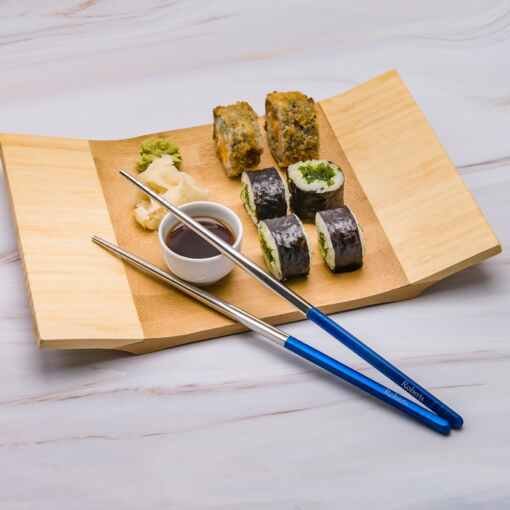



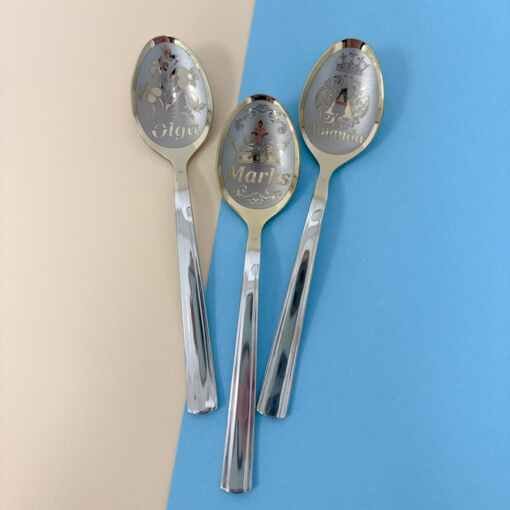




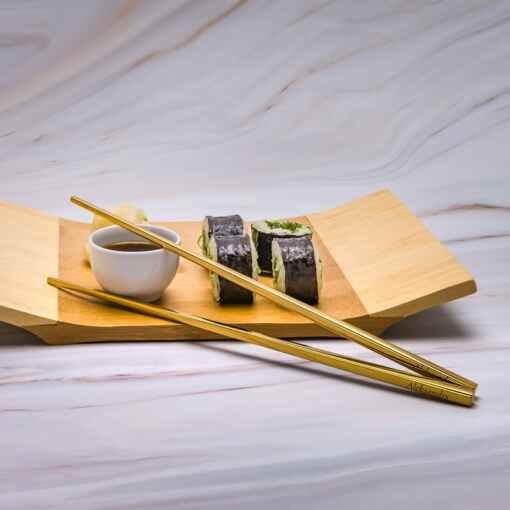






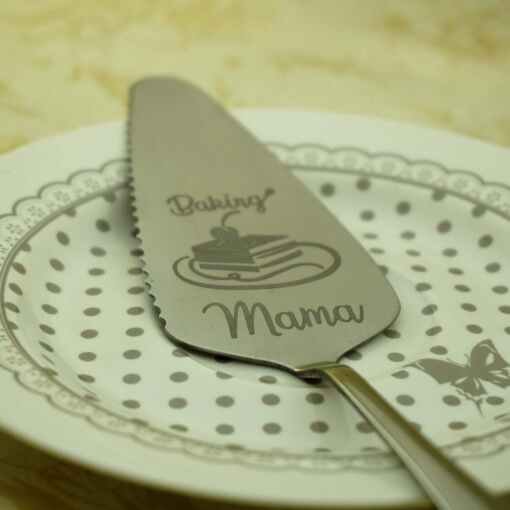

Cutlery is an integral part of our culture and traditions. It is not only a functional element of our daily lives but also plays a significant role in communication and etiquette. Cutlery is used in restaurants, cafes, homes, and at formal events. It serves several functions: assisting in nourishment, providing aesthetic pleasure, expressing social status, and facilitating communication.
There are several types of cutlery used depending on the food being served. For example, the most common utensils are the fork, knife, and spoon. The fork is used for cutting and serving meat, fish, and other dishes. The knife is used for cutting meat, poultry, fish, and other products. The spoon is used for serving soups, cereals, and other dishes.
Additionally, there are other utensils used for special occasions, such as serving olives, shrimp, mussels, crab sticks, etc. Such devices are necessary to avoid spoiling the aesthetic side of food presentation.
When choosing cutlery, several factors should be considered. First, the material they are made of. For example, the most popular materials are stainless steel, silver, and gold. Furthermore, the design and quality of the utensils, their ease of use, as well as their compatibility with the interior style and national or cultural traditions must be taken into account. For instance, different countries have their own traditions regarding the use of cutlery.
In Latvia, for example, it is customary to eat soup with a spoon rather than a fork. In some countries, such as India, people eat with their hands, using only a spoon or fork for certain dishes. In Japan, which has a rich tea culture, it is customary to use special tea utensils, such as ceramic or porcelain cups and saucers, as well as bamboo or ceramic teaspoons.
An important factor when choosing cutlery is also the quantity. For example, three utensils are sufficient for dinner at home: a fork, a knife, and a spoon. However, if you are hosting a reception or celebration, you may need more utensils, such as those for serving special dishes, drinks, and desserts.
Attention should also be paid to the rules for using cutlery. Some rules are generally accepted, while others are specific to the situation. For example, etiquette states that when using cutlery, it must be held correctly and one should not make noise while eating. It is also not recommended to place cutlery on the edge of a plate or tray.
Furthermore, it should be noted that cutlery must be clean and show no signs of use. This not only complies with hygiene rules but also gives the table setting a more aesthetic appearance. It should also be kept in mind that high-quality cutlery is not only an element of comfort and aesthetics but also an investment in long-term benefits. Good utensils can last for decades without losing their original appearance and quality. Therefore, when choosing cutlery, attention should be paid to the materials and product quality.
Depending on the material from which the cutlery is made, it can have different levels of strength, wear resistance, and durability. The most popular cutlery materials are stainless steel, silver, gold, porcelain, ceramics, wood, plastic, and glass.
Stainless steel is one of the most common cutlery materials. It is durable, corrosion-resistant, does not change the taste of food, and is easy to clean. Additionally, stainless steel cutlery is available in various prices and styles, making it a versatile choice for most consumers.
Silver cutlery is considered a classic and elegant choice. It is strong, durable, and adds a special charm and sophistication to the table setting. However, it is also the most expensive option.
Gold cutlery, like silver, is a symbol of luxury and refinement. It can be made in various styles and designs, but it also comes with a high cost.